How Do I Get Rid of Bed Bugs in Toronto?
If you’re struggling with bed bugs in Toronto, the fastest path is usually a qualified pest control Toronto service that can examine, handle, and check back before the infestation spreads. Bed bugs are difficult to remove because they hide in cracks and crevices, multiply rapidly, and can survive long enough for missed eggs or nymphs to renew the problem. In Toronto’s dense neighbourhoods, especially Toronto condos and other multi-unit buildings, the issue can become more complicated because adjacent suites may need to be inspected too.
The good news is that bed bug removal is easily handled when you move fast, use the best combination of treatment methods, and work with your landlord, property manager, or superintendent if you live in a rental or condo building. Below, you’ll find the warning signs to look for, how they spread, what treatment costs in Toronto usually depend on, and when a licensed exterminator is the safest choice.
What are the signs of bed bugs in a Toronto home?
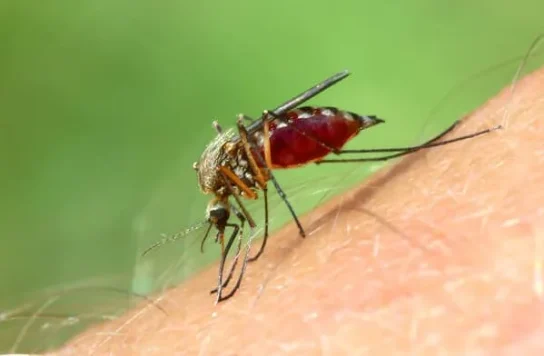
The most common clue is waking up with bed bug bites that appear in clusters or clusters on bare skin. But bites alone are insufficient to confirm an issue, because mosquito bites, fleas, and even skin irritation can appear similar. A better approach is to look for physical evidence in sleeping and resting areas.
224 King St W #2401, Toronto, ON M5J 0A6, Canada
+16472437241
https://maps.app.goo.gl/VbxNrosScd6ZL8U39
https://mosquitoman.ca/pest-control/toronto/
JJX7+23 Toronto, Ontario, Canada
Check mattress seams, bed frames, box springs, and nearby furniture cracks for tiny dark spots, shed skins, and live bugs. You may also notice blood spots on sheets or pillowcases, especially after the bugs have been crushed during sleep. Since bed bugs hide close to where people rest, check baseboards, headboards, picture frames, and the seams of couches or chairs too.
Another sign is a musty odour in heavier infestations. That smell does not always appear, but when it does, it can signal a more severe infestation with many hiding places or harbourage areas. If you see multiple signs at once, a proper bed bug inspection is the next step rather than speculating.
How do these pests travel in condos, flats, and houses?
In Toronto, they frequently travel through everyday movement and connected structural areas. In Toronto condos and other multi-unit buildings, bed bugs can travel through interior partitions, electrical spaces, hallways, and access points. That means one unit’s problem can become a building-wide issue if it is not handled promptly.
They also travel in luggage, backpacks, clothing, and boxes after a trip, a visit, or even a short stay elsewhere. This is why people often find bed bugs after returning from travel or after bringing home items from storage or curbside pickups. Another major source is used furniture, especially upholstered pieces and mattresses. Even if an item looks clean, bed bugs can hide deep inside seams and internal framing.
In the GTA, a single complaint can trigger broader coordination with a landlord, property manager, or building superintendent. In practice, an effective response often requires multiple units to be checked, not just the one where bites were first noticed. That is one reason bed bug control in urban Toronto is different from a simple one-room pest issue.
What is find the fastest method to get rid of bed bugs?
The quickest approach is generally a combination of bed bug heat treatment toronto, targeted steam treatment, and professional professional extermination. Heat is highly effective since bed bugs and their eggs are vulnerable to sustained high temperatures when the complete infested space is properly treated. Steam helps with seams, baseboards, and cracks and crevices where bugs hide near the surface.
Professional service is often quicker than trying to manage the problem with household products alone. A trained technician can locate where the insects are nesting, use the right residual insecticides when appropriate, and recommend a plan that includes monitoring and a follow-up treatment. This is important because even one missed cluster of eggs can lead to reinfestation.
Before and after treatment, vacuuming helps clear out live bugs, shed skins, and debris from floors and seams. Vacuuming alone will not solve the problem, but as part of integrated pest management it lowers the population and helps the treatment work better. In Toronto, where many homes have compact layouts and shared walls, fast action is especially important.
If you want the quickest route to relief, combine a professional inspection, heat or steam treatment where suitable, and a clear follow-up plan. Bed bugs rarely disappear after a single casual spray.
Can I get rid of bed bugs myself?
A few homeowners and tenants undertake a DIY bed bug treatment, and for very minor, contained cases, it may cut down the number. But it is rarely adequate for a full infestation. Bed bugs hide in deep areas, reproduce quickly, and can survive in areas that are hard to reach without specialized equipment. If you decide to try DIY methods first, treat it as a temporary measure, not a certain fix.
Diatomaceous earth is one popular option. It can help when applied correctly in dry, thin layers in voids and along travel paths, but it works slowly and is easy to misuse. Too much powder can cause a mess without improving results. Laundry heat is much more practical for bedding, clothing, and soft items: clean and dry on high heat whenever fabric care labels allow it. This can kill bugs and eggs on items that can safely go through a hot laundry cycle.
Interceptor traps placed under bed legs can help identify movement and reduce crawling access. They are useful for monitoring whether the problem is still active, especially after treatment. Still, interceptors are not a stand-alone solution. They should be combined with cleaning, careful inspection, and ongoing checks for signs of reinfestation.
For advanced cases, DIY methods often fall short because they miss hidden harbourage and do not reach all nesting locations. That is where calling a professional becomes the more efficient choice.
How much does bed bug treatment run in Toronto?
The cost of bed bug treatment in Toronto depends on unit size, how severe the infestation is, access to affected areas, and whether the job needs more than one visit. The pest control toronto cost for a small, early-stage case is usually less expensive than for a large, multi-room outbreak that has spread into furniture, walls, or neighbouring suites. Return visits can also affect pricing.
In general, the cost of heat treatment for bed bugs is often higher than simple chemical spot treatments because it uses specialized equipment, more labour, and careful setup. That said, heat can be attractive when you want rapid results and minimal residue. Chemical treatment may cost less upfront, but it can require extra time and multiple applications, especially if the bugs are widespread.
The broader pest control cost ontario picture varies from city to city. You may see different pricing structures for pest control mississauga, pest control london ontario, pest control kitchener, or even pest control fredericton nb. Within the GTA, pest control brampton prices, pest control hamilton prices, and pest control edmonton prices are sometimes discussed online as comparisons, but your actual quote in Toronto will depend on the property and service level.
If you are searching online for pest control near me, best pest control near me, pest control near me prices, or pest control prices near me, focus on whether the company includes an inspection, treatment plan, and follow-up support. A low initial quote is not always the best value if it does not address eggs, hidden harbourage, or building-wide coordination.
As a rough rule, bed bug pricing can also be influenced by the same factors that affect other pest jobs, including the complexity seen in cockroach exterminator toronto cost or even questions like how much is pest control for mice. But bed bugs are their own challenge because they hide in sleeping areas and often require more detailed preparation. Avoid comparing them to diy fumigation for mice; bed bug control needs a different strategy entirely.
What should I expect from a Toronto pest control company?
A reputable Toronto company should begin with a thorough inspection, not a quick guess. The technician should check rest areas, seams, upholstery, baseboards, and surrounding harbourage zones. Afterward, you should receive an inspection report or simple explanation of what was found, where the bugs are active, and what treatment approach is recommended.
When people search for pest control near me or best pest control near me, they often want quick service, low-profile service, and confidence. In Toronto, same-day or next-day appointments are common for urgent cases, and discreet service is especially valuable in apartment buildings where neighbours may not want attention drawn to the issue.
A strong provider will usually outline whether they recommend thermal treatment, steam, chemicals, or a combination. They should also outline any follow-up treatment needed and what you must do between visits. If the issue is in a rental, the company may need to communicate with a property manager or building staff. Good bed bug control is a partnership, especially in high-density housing.
Ask how the company handles monitoring, whether they provide written prep instructions, and how they reduce reinfestation risk. Companies that use integrated pest management rather than a one-spray-fits-all approach are usually better equipped for bed bugs.
How can I prepare my home prior to treatment?
Getting ready matters as much as the treatment itself. Begin with laundry: launder and dry bedding, clothing, and soft items on the warmest safe cycle. The goal is high heat exposure that destroys bed bugs and eggs before the items are returned to the room. Seal clean items in bags or bins so they do not get re-exposed.
Decluttering is the following key stage. Remove unneeded cardboard, scattered fabric, and unneeded items from floors and closets so technicians can access harbourage areas. Lessened clutter means clearer visibility during the check and greater coverage during treatment. Be careful not to move infested items through hallways or into other rooms without sealing them first.
Do vacuuming before treatment when your provider advises you to do so. Focus on bed frames, mattress seams, baseboards, and crevices around furniture. Clear the vacuum immediately into a closed bag and dispose of it as directed. Vacuuming minimizes visible debris and may dislodge some live insects, but it is only one part of the process.
Mattress covers may be fitted after the treatment to trap any remaining bugs inside the mattress and help make future checks easier. They also reduce some of the best hiding spots. Your technician may advise encasements for both the mattress and box spring to make easier long-term monitoring.
How much time does bed bug treatment need to work?
Certain methods begin decreasing activity immediately, but full control often needs time. Residual treatments remain active after use, which helps when insects cross treated spaces later. However, bed bug eggs may outlast certain methods if the method does not fully contact them, which is why follow-up is so critical.
After treatment, you should keep watching for live bugs, bites, droppings, or new blood spots. The technician may recommend sticky monitors or interceptors for monitoring. If activity persists, a second visit may be required. That does not necessarily mean the treatment failed; it often means the lifecycle is still playing out and a few hidden survivors remain.
Timing also relies on whether the infestation was caught early or has already expanded into multiple rooms. In larger multi-unit buildings, treatment https://richmond-hill-onks869.trexgame.net/top-dining-spots-in-toronto-on-for-favourite-local-favourites can require more time because adjacent suites may also need to be checked to prevent reinfestation. Consistent follow-up is the key to success.
When should I call a licensed exterminator in Toronto?
You should call a licensed exterminator as soon as you confirm bed bugs or strongly believe them, especially if the issue is worsening, bites are increasing, or you are seeing bugs during the day. Early intervention is cheaper and easier than waiting until the infestation becomes entrenched.
This is especially important when the problem affects rental housing. Tenant rights and landlord responsibilities can vary, but in practice the issue often requires coordination with the property management team, building superintendent, or landlord to inspect adjacent units and arrange access. In dense urban housing, one tenant complaint can quickly become a shared building concern.
If you live in a condo or apartment, a licensed provider can also help document the problem and explain next steps in a way that supports communication with building staff. That documentation can be useful if you need a formal response to a tenant complaint or if you need proof that treatment was completed.
When searching for pest control Toronto services, look for companies experienced with high-rise buildings, discreet scheduling, and rapid response. In Toronto, speed and coordination matter just as much as the treatment method itself.
Toronto bed bug FAQs
How do I know if I have bed bugs or just mosquito bites?
Mosquito bites are usually isolated and often appear after time outdoors, while bed bug bites tend to show up in clusters or lines after sleeping. The best way to tell is to look for physical evidence such as live bugs, blood spots, shed skins, and signs around mattress seams and furniture. A proper bed bug inspection is the most reliable way to confirm the cause.
Is heat treatment for bed bugs better than chemical control in Toronto?
That depends on the infestation and the property. Thermal treatment can be excellent for rapid results and can access many hiding spots at once, while chemical treatment may be more practical in some buildings or for follow-up management. In Toronto condos and apartments, a company may recommend a multi-step approach using heat, steam, and residual insecticides for better long-term protection.
What is the cost of bed bug treatment cost in Toronto?
The bed bug treatment cost in Toronto varies based on unit size, infestation severity, and whether follow-up is needed. The pest control toronto cost for a small suite can be lower or higher from a larger home or a multi-unit building response. If you are reviewing quotes, ask about cost of heat treatment for bed bugs, inspection fees, and whether the quote includes a follow-up visit.
Is it possible to remove bed bugs without hiring pest control?
Occasionally a very early case can be reduced with DIY bed bug treatment, thorough careful vacuuming, laundry heat, diatomaceous earth, and interceptor traps. But full elimination is hard without professional help, especially in apartments or condos where bugs may spread between units. If you want the highest chance of success, a trained technician is usually the more reliable route.
How long do I need to stay out of my home during treatment?
That depends on the method used. With some steam treatment or targeted chemical applications, you may only need to leave for a few hours. With full bed bug heat treatment toronto services, the home may need to be vacant for longer while the space is heated and then safely cooled. Your technician should give you exact instructions before the appointment.
If you are dealing with bed bugs in Toronto, act quickly, document what you see, and choose a provider that understands condos, rentals, and building coordination. The right plan combines inspection, treatment, and monitoring so you can stop the infestation before it spreads further.
Whether you are comparing pest control mississauga, pest control london ontario, pest control kitchener, pest control fredericton nb, or searching for adams pest control fredericton and adams pest control moncton, remember that bed bugs demand a local strategy. In Toronto, the strongest results usually come from fast, low-profile, and carefully coordinated professional support.