How to Determine If You Need to Arrange Pest Control in North York
If you live in North York, the signs that you require pest control can appear quickly, especially in a dense part of the City of Toronto where high-rise condos, older houses, and townhomes sit close together. Whether you own a basement unit near the subway corridor, rent in a condominium with shared walls, or manage a family home with laneways and waste storage nearby, pest activity can move fast from one unit or building area to another.
The key is spotting signs of infestation early, before minor pest activity becomes a larger infestation level that causes property damage, food contamination, or repeated service calls. A proper pest control North York plan usually starts with recognizing the clues that pests leave behind and knowing which common household pests are most likely to show up in your property.
What are the most frequent pest problems in North York?
Across North York, the most common pest problems usually include ants, mice, cockroaches, and bed bugs, though spiders and wasps also turn up around homes, balconies, garages, and shared building areas. Because North York is part of Toronto and includes busy residential streets, apartment towers, and older neighbourhoods, pests have many ways to spread across properties and find food sources.
Ants frequently show up in kitchens, around sinks, and near windows when they find crumbs, moisture, or sugary food sources. Mice and rats are particularly common in urban neighbourhoods, where they can travel through cracks and gaps, basement utility areas, and storage spaces. Cockroaches are another major issue in condos, apartments, and older homes because they thrive in warm, hidden places where sanitation problems or moisture issues exist. Bed bugs can appear in any building type, but they are especially disruptive in multi-unit properties because they can spread through walls, hallways, and shared laundry spaces.
Spiders are often more of a nuisance than a major infestation, but they can still signal that other insects are present indoors. Wasps may become a seasonal problem around balconies, eaves, and exterior vents, especially in late summer. If you are seeing more than one type of pest, or if the same pests keep returning, that usually means the issue is worse than a one-time nuisance.
For North York homeowners and renters, the real issue is not just the type of pest, but the pattern of pest activity. One ant trail may be manageable. Repeated mice sightings, cockroach control concerns, or bed bug signs in a bedroom or living area suggest you need a closer look and likely a professional inspection.
What signs show I require pest control right away?
Some warning signs of infestation should never be ignored because they suggest active pest movement or a hidden colony nearby. The most urgent warning signs include droppings, gnaw marks, sighting of live pests, and musty odours. These clues often point to pests already living in your home, condo, basement, or storage area.
Droppings are one of the clearest signs of rodent control needs. Mice and rats leave small pellets in cupboards, drawers, behind appliances, along baseboards, and near food storage. If you find droppings in a kitchen, basement, or utility room, pests are likely active nearby.
Gnaw marks on https://sites.google.com/view/pest-control-in-north-york/ wood, cardboard, plastic, or wiring can also signal rodents. Mice and rats chew constantly, so fresh damage often appears around pantry items, pipes, insulation, and hidden corners. You may also notice shredded nesting materials such as paper, fabric, or insulation tucked into storage bins or behind appliances.
A sighting of live pests during the day can indicate a larger infestation. Mice, rats, and cockroaches are often nocturnal or mostly active when people are asleep. Seeing them in daylight often means the infestation level is high, food sources are abundant, or hiding spaces are overcrowded.
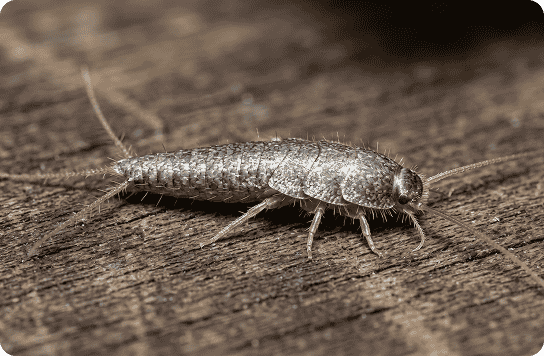
Musty odours can point to rodents, cockroaches, or hidden moisture-related pest activity. A persistent smell in a basement, behind a wall, or near cupboards may mean pests are nesting nearby or that decaying debris, urine trails, and old contamination are present.
Other warning signs include greasy rub marks along walls, damaged insulation, and signs of food contamination. If you notice a combination of these issues, don’t wait. A professional checkup can help identify the pest species, locate entry points, and recommend the right treatment plan before the problem worsens.
Why are homes and condos in North York vulnerable to pests?
Properties in North York are at risk because of the area’s mix of condominiums, townhouses, and older low-rise homes, all of which can offer pests food, water, and shelter. In a dense section of Toronto, pests do not need much room to move. They can travel through shared walls, plumbing chases, utility lines, and building common areas without being noticed.
Condominiums are especially at risk because shared walls and connected systems can allow cockroaches, mice, and bed bugs to spread between units. Underground parking areas, garbage rooms, recycling enclosures, and loading docks also attract pests looking for shelter and food scraps. In apartment-style buildings, a problem in one unit can quickly become a building-wide concern if inspections and monitoring are delayed.
Townhomes face a different set of challenges. They often have more entry points around patios, basements, rooflines, and attached walls. Because they are physically connected, rodents and insects can move from one unit to the next, especially if one property has poor sanitation or unsealed entry points.
Basements are a major concern in North York homes, particularly in older houses and lower-level suites. Basements often have higher moisture, utility penetrations, and small cracks and gaps around windows, pipes, and foundation lines. These are ideal conditions for rodents and insects that want dark, quiet spaces. If a basement smells musty, feels damp, or shows signs of pest activity, it should be inspected promptly.
Dense urban living also matters. Laneways, shared waste storage areas, alley access, and frequent garbage pickup create more opportunities for rodents and cockroaches to find food. In North York, pest control is not just about what happens inside your unit; it is also about how the surrounding building and neighbourhood support pest movement.
How do weather-related changes in North York influence pest activity?
Seasonal changes in North York and the broader Southern Ontario climate have a clear impact on pest activity. The local climate creates stress points throughout the year, and knowing these patterns can help you recognise when pest control North York services are more likely to be needed.
Winter is a major time for rodent intrusion. As temperatures fall, mice and rats look for protected shelter indoors. They enter homes, condos, garages, and basements through small cracks and gaps, vent openings, utility lines, and worn weatherstripping. Winter rodent pressure is especially noticeable in older homes and buildings with basement access or shared structural openings.
Spring thaw often reveals pest problems that were hidden during colder months. Melting snow and rising moisture can raise pest movement around foundations, storage rooms, and building drains. Pests that were nesting quietly during winter may become more active as they search for new food sources and drier shelter.
Summer humidity tends to bring more insect activity. Ants become more active in kitchens and patios, cockroaches thrive in warm and damp spaces, and wasps become more visible around eaves, balconies, and outdoor garbage areas. High humidity can also worsen moisture issues in basements and crawlspaces, making those areas more attractive to pests.
Fall shelter-seeking is another important period. As temperatures cool, rodents, spiders, and other pests start looking for overwintering spots inside buildings. This is when many homeowners in North York first notice movement in attics, storage spaces, utility rooms, and basement corners.
Seasonal monitoring is important because pests are not always equally active year-round. If your property seems quiet in one season, that does not mean the issue is gone. It may simply be waiting for the next weather shift to show up again.
What pest damage should I look for around my property?
Obvious damage to property often shows that pests are not just passing through. Around North York homes and condos, you should check for chewed food packaging, wall void activity, damaged electrical wiring, and broader property damage that points to a hidden pest problem.
Chewed food packaging in cupboards, or community kitchen areas is a clear sign of mice or rats. If bags, boxes, or stored dry goods have been torn open, it raises a food contamination concern and suggests that rodents have already reached your food sources. Even if you do not see the animals themselves, damaged packaging can be clear evidence of active pest activity.
Wall voids are another frequent nesting area. Rodents, cockroaches, and even some ants may nest inside these concealed spaces because they provide shelter and protection. If you hear scratching at night, notice movement behind drywall, or see stained areas near baseboards, there may be pests inside the wall cavity.
Electrical wiring can also be damaged by rodents. Mice and rats chew wiring, insulation, and other materials, which can create safety risks beyond the pest problem itself. This is one reason pest control should not be delayed when rodents are suspected. What looks like a simple nuisance can become a much more serious maintenance issue.
More broadly, property damage may include shredded insulation, damaged vents, stained surfaces, greasy smudges, and chewed baseboards or trim. In condos and townhomes, damage may also appear in shared utility spaces, storage lockers, or parking levels. A thorough inspection helps separate surface-level signs from the true source of the problem.
When should I reach out to a specialist instead of DIY?
Do-it-yourself methods can sometimes help with limited, isolated pest issues, but they are usually not enough when you are dealing with an infestation, ongoing sightings, or pests in difficult-to-access areas. If you have recurring pests, hidden activity, or uncertainty about the source, it is time for a professional inspection.
Call a professional when you see more than one sign of infestation at the same time, especially if you notice droppings, gnaw marks, musty odours, or live pests in daylight. These signs suggest the issue is serious. In multi-unit buildings, DIY sprays and traps can also miss the root cause if pests are coming from shared walls, common areas, or adjacent units.
A professional service uses integrated pest management, which centres on identification, prevention, monitoring, and targeted treatment rather than relying on a single product. That matters because each pest requires a distinct approach. Rodent control for mice and rats is not the same as cockroach control, and bed bug signs demand different treatment steps than ant activity in a kitchen.
Professional help is especially helpful when:
- you continue seeing pests after cleaning and trapping
- the infestation seems to involve hidden wall or basement spaces
- you live in a condo, apartment, or townhome with shared walls
- there may be food contamination or unsafe wiring damage
- you need a treatment plan that adds follow-up monitoring
In North York, where pests can travel easily between units and buildings, a professional inspection often is more efficient and prevents repeated problems. The goal is not just extermination; it is to identify why the pests got in and how to stop them from returning.
What actions can I do before and after pest control service?
Before a pest control visit, a handful of basic actions can improve the outcome and make the inspection more accurate. Good cleanliness is the main priority. Remove food crumbs, wipe counters, clean under appliances, and remove clutter that gives pests hiding places. If possible, store pet food and dry goods in sealed containers.
It also helps to identify possible access points. Look for gaps around pipes, vents, baseboards, utility penetrations, and worn window seals. Sealing cracks is one of the most effective prevention steps because it reduces access for mice, rats, cockroaches, and ants. Do not ignore small cracks and gaps; pests use openings that seem too small to matter.
After treatment, follow the technician’s instructions carefully. Keep bait stations, traps, or other devices in place if advised, and avoid moving them around. If your treatment plan includes cleaning instructions or temporary restrictions, follow them so the results are not disrupted.
Follow-up monitoring is just as important as the initial service. Watch for new droppings, fresh gnaw marks, renewed pest activity, or signs that pests are returning. In condos and townhomes, keep an eye on nearby storage areas, building common areas, and basement corners, since these can be points of re-entry.
After service, continue focusing on sanitation and access control. A one-time extermination may solve the immediate issue, but lasting prevention depends on keeping pests from finding food, water, and shelter again.
How can North York residents prevent future pest problems?
Long-term prevention in North York depends on reducing the things pests need most: food, moisture, and shelter. Because the area includes dense neighbourhoods, older homes, high-rise buildings, and active waste storage zones, prevention should be practical and ongoing rather than occasional.
Waste management is a major factor. Keep garbage lids closed, take waste out regularly, and avoid leaving bags in hallways, balconies, or unfinished basement areas. In condo and apartment buildings, clean garbage rooms and recycling spaces can make a big difference in pest pressure.
Food storage matters just as much as anything else. Place dry goods, cereal, flour, snacks, and pet food in sealed containers. Clean up spills promptly and prevent leaving dirty dishes overnight. Cutting down on food sources is one of the most effective ways to keep away rodents, cockroaches, and ants.
Outdoor maintenance near residences and townhomes can also affect pest control. Cut back shrubs far from the foundation, clear piles of leaves, and refrain from storing items directly against exterior walls. Yard clutter, thick landscaping, and leftover yard waste can give pests hiding spots near entry points.
Dampness control is essential, especially in below-grade areas. Fix leaks quickly, use dehumidifiers where needed, and improve ventilation in damp areas. Moisture issues can attract cockroaches, ants, and other pests while also making basements more comfortable for rodents to nest.
For North York residents, prevention is most effective as part of an ongoing approach that includes inspections, watching, and fast action to new signs of infestation. If you have had ongoing pests before, or if your building has shared walls and common areas, stay watchful throughout the year. Preventing early is much easier than a complete infestation cleanup later.
FAQ
What are the earliest signs that I need pest control in North York?
The first indications usually feature waste, gnaw marks, stale odors, and an observation of live pests. You may also observe nesting debris, damaged food containers, or small paths of movement along baseboards, cupboards, or basement edges. In North York homes and condos, these signs often mean pests are already inside and not just passing through.
Are mice and cockroaches common in North York condos and houses?
Absolutely, mice, rats, and cockroaches are common concerns in North York because of the area’s close housing, connected walls, underground parking, and building common areas. Apartment buildings, townhomes, and older houses all offer different entry points and shelter areas. Seasonal changes in Toronto and Southern Ontario can also drive these pests indoors.
How can I know if pests are inside my walls?
Indicators that pests may be in your walls include scraping noises, waste, urine paths, musty odours, and fresh gnaw marks near trim or utility pipes. You might also see torn insulation or hear rustling at night. A professional inspection is the safest way to confirm whether pests are using hidden empty wall spaces or lower-level spaces.
Should I try DIY pest control before calling a professional?
Home remedies can help with limited infestations, especially if you are boosting cleanliness, caulking openings, and eliminating food access. But if you have an active infestation, recurring sightings, or signs in out-of-sight areas, licensed pest control is usually the better choice. IPM and a proper treatment plan are more reliable when the problem is more extensive or ongoing.
How often should North York homes have pest inspections?
A lot of homes and condos benefit from routine inspections, especially if they have had past pest issues or are located in older buildings with shared walls and basements. In North York, seasonal inspections is wise because cold-weather rodent activity and summer pest activity can create different risks throughout the year. If you notice any fresh signs of infestation, schedule an inspection immediately.